Deer Stalking Tips for Beginners

Deer stalking is a craft that is often seen as simply locating your quarry with the aim of stalking close enough to take a safe shot. In reality, it is and art and an intricate skill that requires patience, dedication and determination. Deer stalking skills can’t be mastered overnight, it takes years of hard work and education to become one with nature. With many hunters now opting to take up in a high seat, the practice of deer stalking has become somewhat of a lost art.
Throughout this article you will find the most important deer stalking tips to master and in turn, put you in good stead towards a successful deer stalk.
Here are five top deer stalking for beginners tips to help you achieve success.

Tip 1: Learn the terrain
Before deer season even begins, you need to familiarise yourself with the environment. If possible, you should explore the area weeks before and pre-scout for deer.
Learn the topography, if the location includes any narrow and confined areas, this works like a funnel and can be a superb site to hunt. Look out for signs of deer activity such as old deer scrapings on trees. Take note of possible food sources such as acorns and fruit; deer tend to return to areas where the food is plentiful. These are both strong indications that deer are nearby and will help cut out any of the guess work.

Tip 2: Know your body
Have you been doing regular exercise and eating a balanced diet during the off season? If not, you could run into trouble during your first stalk. It’s vital to begin preparing your body as early as possible. Start an exercise regime and get yourself into shape, this will make the entire experience much easier and will also help you in the long run. Go hiking to help prepare your body for long days in the field. It might be worth going on a ‘dry run’ with your backpack to ‘get a feel’ for the weight. This will also help you adapt your gear prior to the hunt.
Practice your walking, this might seem unnecessary, but each step counts and one wrong foot could cost you a deer of a lifetime. Slowly walk heel to toe and avoid snapping twigs, crunching dried leaves or any other vegetation that could potential course a sudden sharp noise. The goal is to make as little sound as possible with precise steps.

Tip 3: Understand deer behaviour
Spend as much time as possible studying deer behaviour. Knowing how the different species react to particular situations and environment will give you advantage when it comes to stalking. There are multiple resources available online that offer vast amounts of information.
Deer bedding habits is a topic you will need to understand. Deer tend to bed down around 30 minutes following sunrise, they normally stay in this position until about 30 minutes before sunset. They will stay in close proximity to an area and only venture out in a short distance to urinate or change beds. Deer will move when the temperatures are cooler, such as after a rainstorm.
It is important to have an understanding about deer anatomy. This isn’t just useful information when it comes to gralloching, for example deer have a very strong sense of smell. Normally they will stay in a location where the winds are high, otherwise their ability to detect possible threats is diminished. Don’t use any aftershave, scented deodorants or shampoos. Also, don’t wash your clothing with any scented laundry detergents or fabric softener. Limited any unnatural scents that the deer might detect.

Tip 4: Choosing the right optics
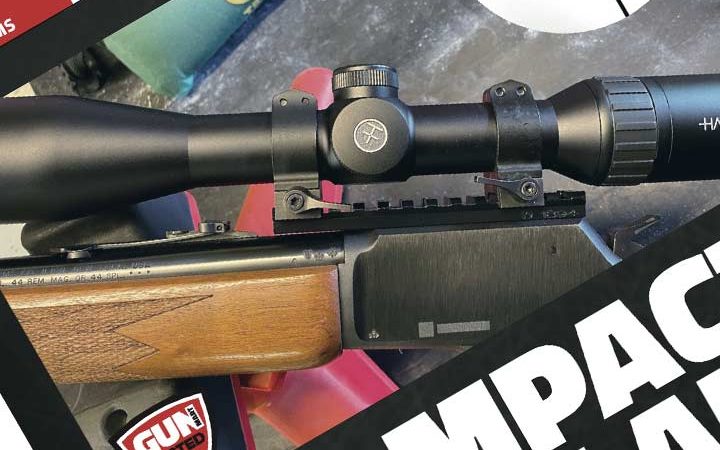
When it comes to choosing your optics for deer hunting there are three categories you need to consider: binoculars, rangefinder and rifle scope. Each one has an important job to play in the stalking experience. The models you decide to purchase will vary depending on your budget, shooting style and hunting location. Do your research and make your decision carefully, read reviews, watch tutorials, check forums, there is a vast number of resources available online. Once you have brought your new equipment spend some time learning all the functions and features, learn how each optic operates and the optimum way to use them. It is important to zero your rifle before you head out into the wild.

Tip 5: Dress appropriately
You could be faced with numerous challenges when stalking and you need to be prepared for all eventualities. Weather conditions can change in a heartbeat and your clothing must be suitable for all situations. Breathable and waterproof clothing is a must. The process of ‘layering up’ allows you to add or remove garments when required, technical base layers are insulated to help regulate your body temperature so you don’t run the risk of either being too hot or too cold. layering is essential to be able to ‘undress’ up hill and ‘redress’ on the hill. Camouflage that matches the environment will help you blend into the surroundings seamlessly, allowing you to getting into a suitable shooting location without the risk of giving away your position.
Using these steps as a guideline will help further your understanding about deer stalking and hopefully give you a better experience.
Read more technical hunting tips and advice from Hawke here
Learn more about Hawke Life | Like Hawke on Facebook | Follow Hawke on Twitter | Follow Hawke on Instagram